Tick exposures in New Brunswick ran at more than double the usual level in May 2026, and Greater Moncton's marshes and woodlots keep mosquitoes busy all summer. We treat both on one visit schedule across Moncton, Dieppe and Riverview.
Same-day reply
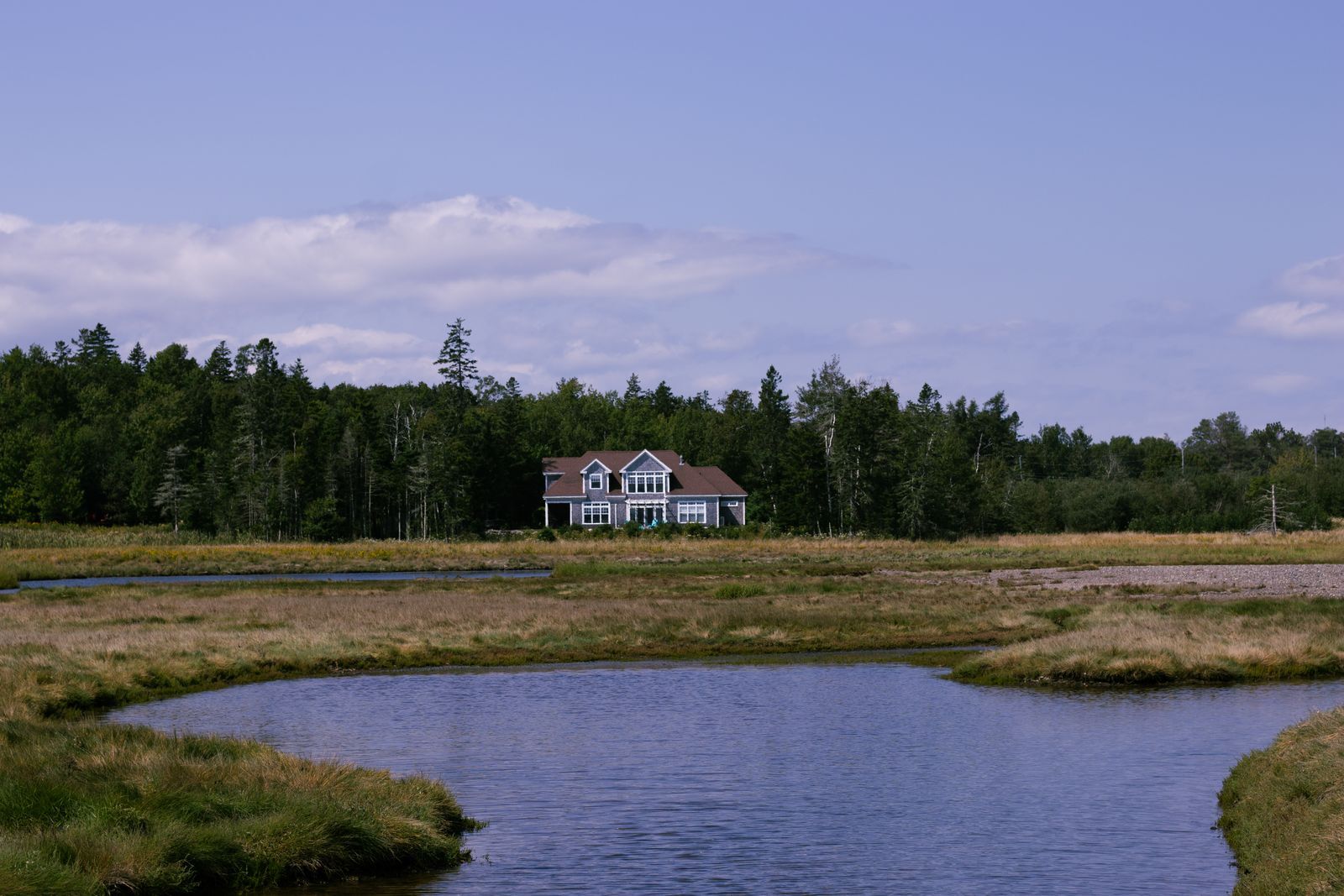
Greater Moncton sits where the Petitcodiac River meets salt marsh and Acadian forest. Big wooded parks like Irishtown Nature Park and Mapleton Park run right up to residential streets, which brings ticks and mosquitoes close to the yard.
New Brunswick's Office of the Chief Medical Officer of Health tracks tick exposures across the province. Figures for Greater Moncton alone aren't published, so these are province-wide.
Reported in people and animals across New Brunswick, against a three-year May average of about 174.
Across New Brunswick in the 12 months up to November 2026.
The most recent full year in the Public Health Agency of Canada's national report.
New Brunswick's guidance says ticks are most active once temperatures rise above 4°C, with nymphs out in spring and summer and adults in spring and fall.
Source: Government of New Brunswick, Office of the Chief Medical Officer of Health, Tick-borne diseases (Tick Bite Tracker, viewed November 23, 2026) and tick facts, and the Public Health Agency of Canada, Lyme disease surveillance report (2024 data). Figures cover all of New Brunswick. For tick bites or symptoms, talk to a health care professional.
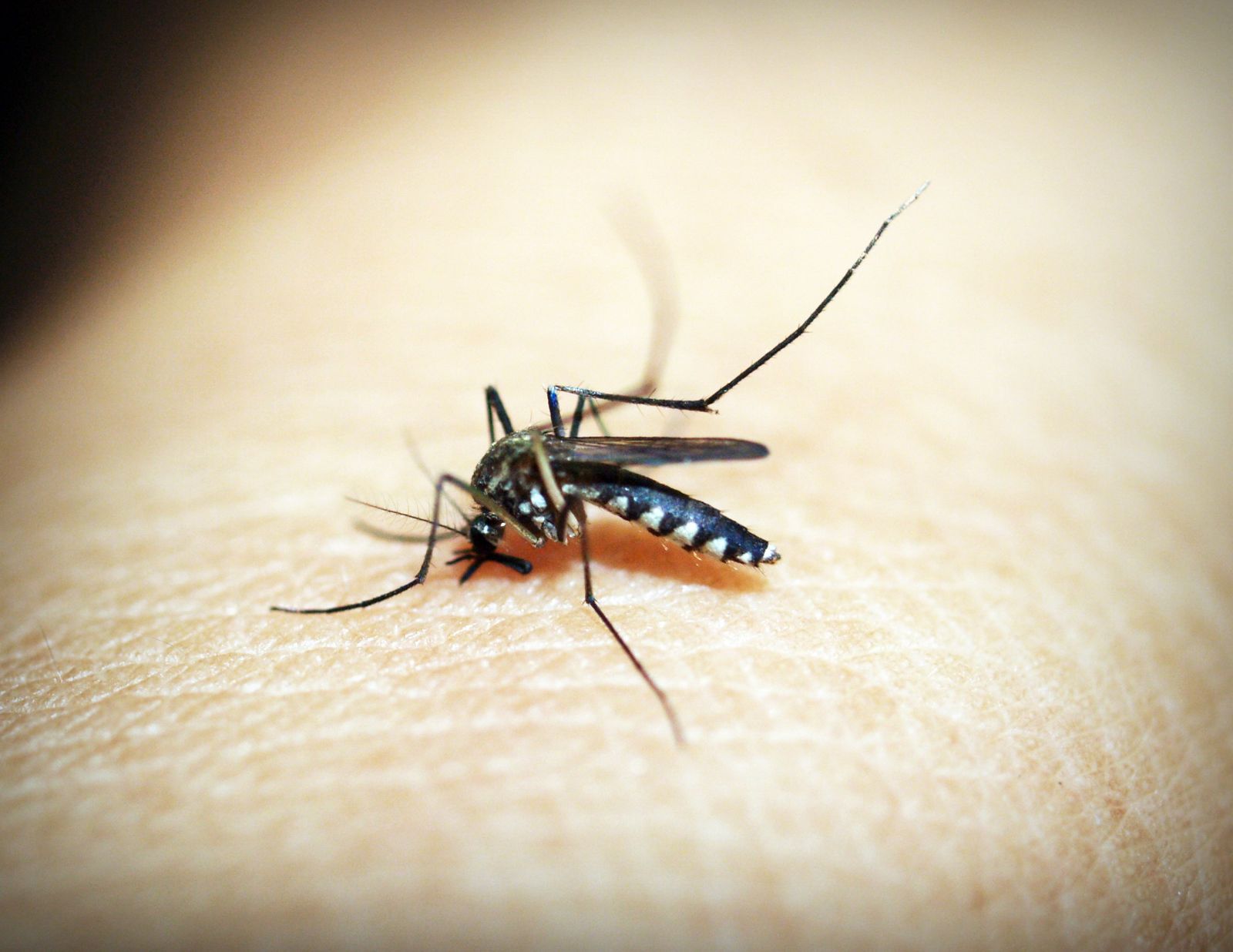
A barrier spray that knocks mosquito numbers down by up to 90%, so dinner on the deck doesn't have to end at dusk.
Learn more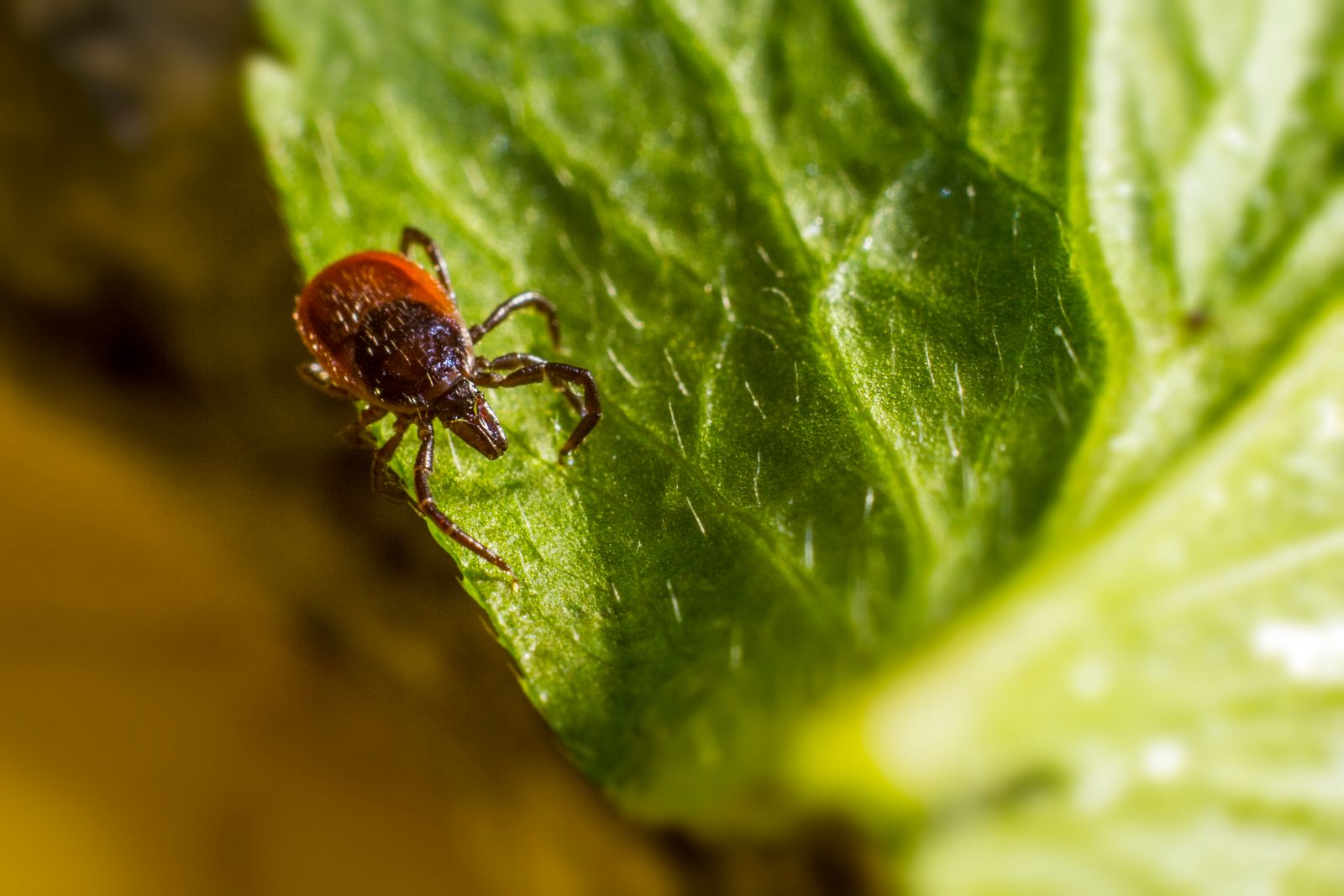
Targeted perimeter treatments for the tall grass, leaf litter and wooded edges where blacklegged ticks wait for your family and pets.
Learn more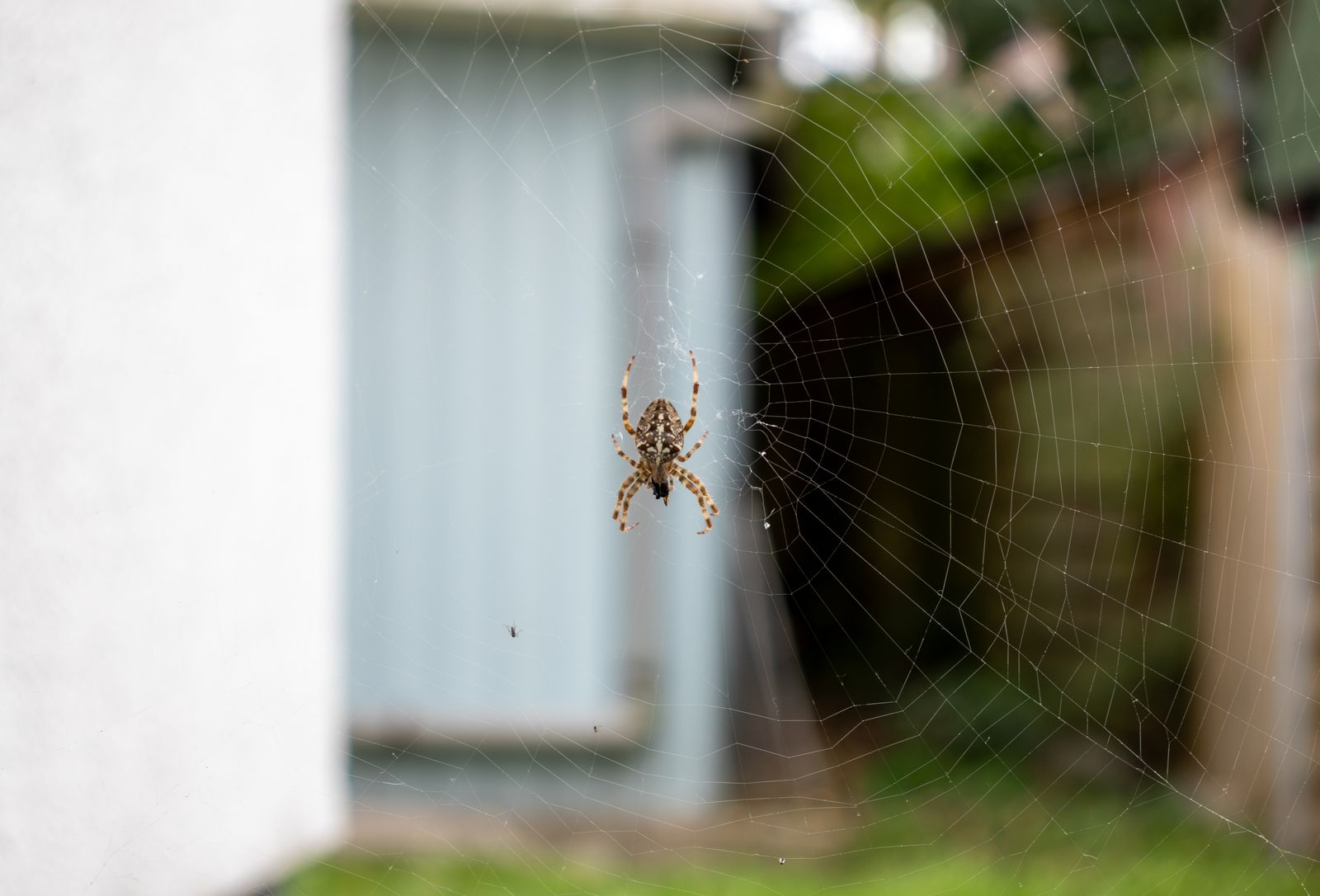
De-webbing plus an exterior barrier around eaves, soffits and foundations that keeps spiders off your home, deck and dock.
Learn more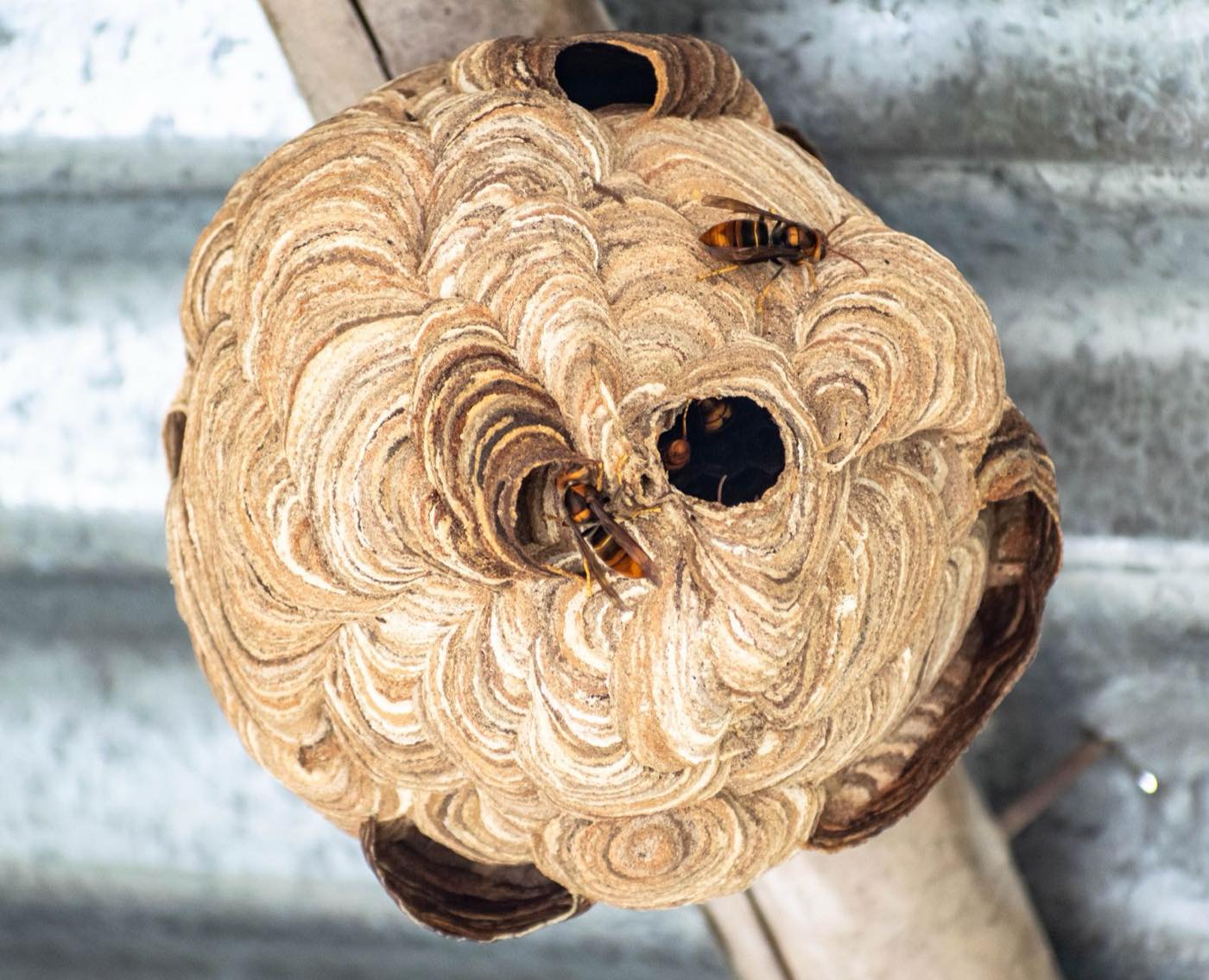
Licensed technicians treat wasp and hornet nests on your home, deck and shed, and leave honeybees alone.
Learn more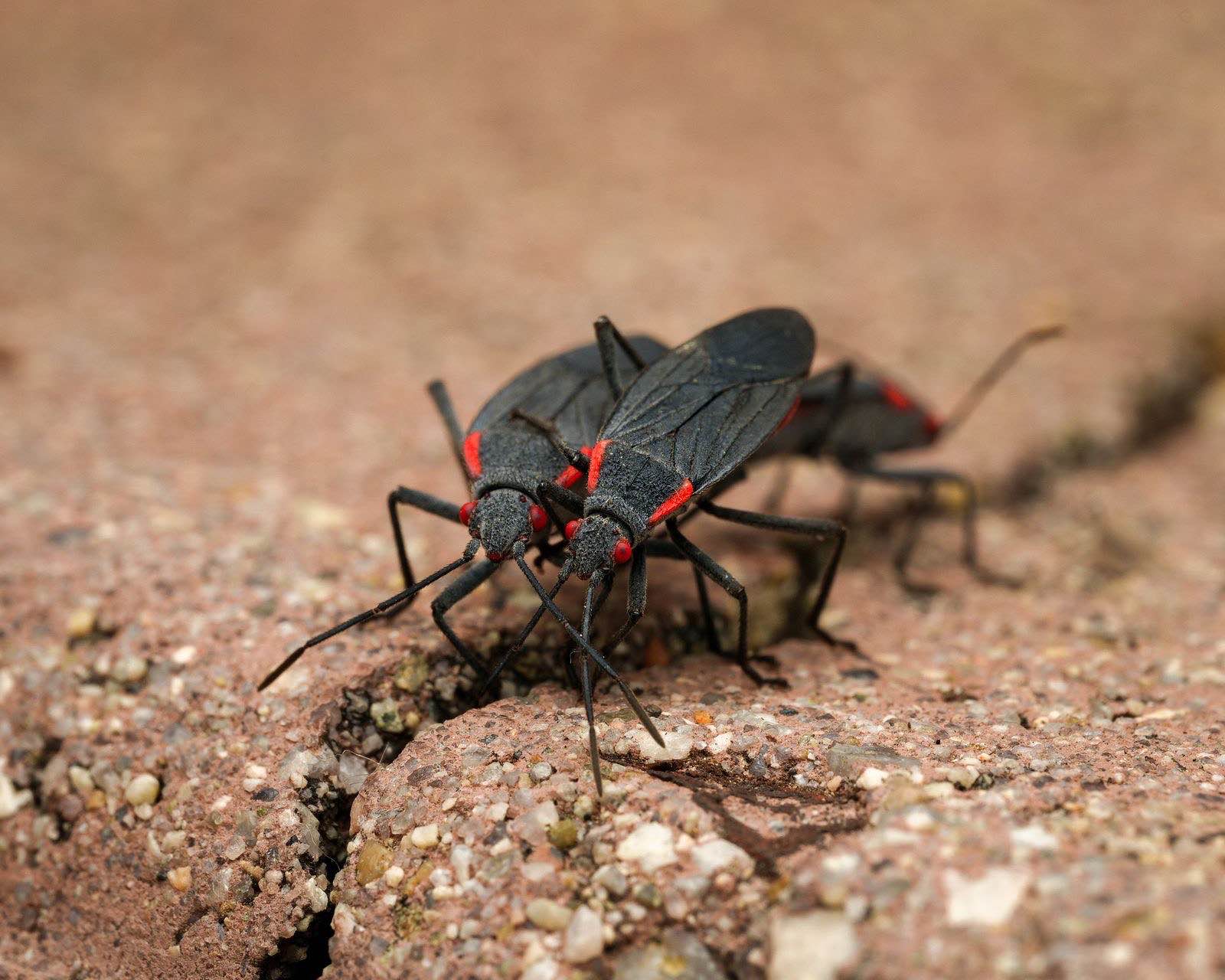
A late-summer barrier on the sunny south and west walls where fall invaders gather before they work their way inside.
Learn more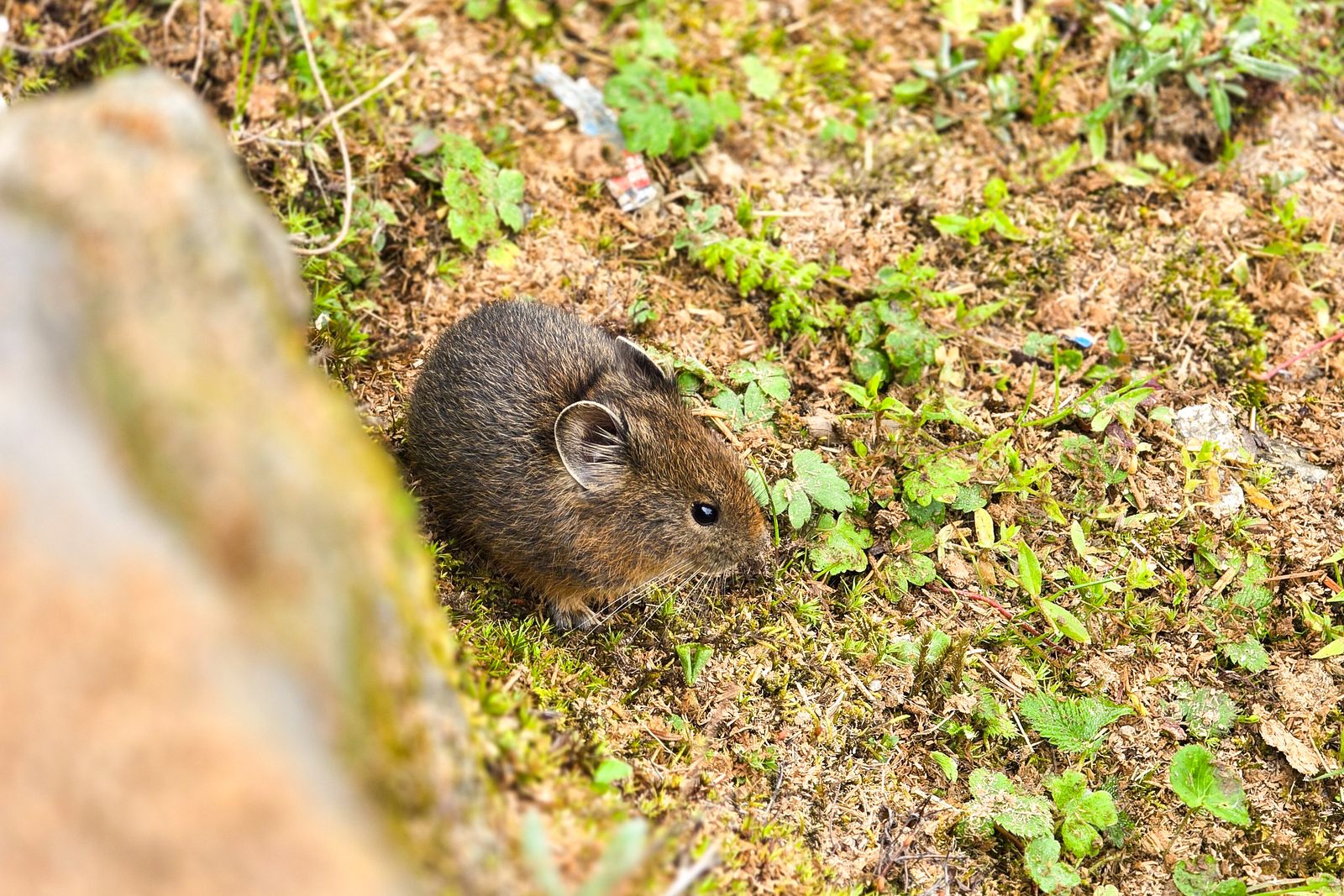
Interior rodent control and monitored exterior stations, with exclusion options quoted separately where appropriate.
Learn moreIn Greater Moncton the season runs from spring, once the snow is gone, through September. Tick treatments start once the snow is gone and mosquito treatments follow in May: two treatments two weeks apart, then one about every three weeks until mid-September, which is six to eight visits on average. Wooded and marsh-side lots sometimes need a shorter cycle, and we'll tell you if yours does.
Ticks can be active whenever the ground is clear of snow and temperatures stay above freezing, so the season starts with the tick barrier along your woodline, brush and leaf litter.
Mosquito treatments start in May, two weeks apart. May 2026 brought more than double the usual number of tick exposures in New Brunswick.
A mosquito treatment about every three weeks, while warm evenings near the marsh bring mosquitoes out. We check how the last visit worked and treat any new problem areas.
The last mosquito treatment goes down around mid-September. Adult ticks are active again in the fall, so keep checking yourself and your pets after time outdoors.
Greater Moncton has big tracts of forest and marsh inside its city limits. Yards that border them see the most ticks and mosquitoes.
About 890 hectares of Acadian forest and marsh around the Irishtown Reservoir, on Moncton's north side.
122 hectares of forest and open space along the north branch of Hall's Creek, with a wetland and a lagoon.
A 94-hectare wooded park in Moncton's west end, surrounded by residential streets.
About 133 hectares of trails around a reservoir in Riverview.
Dieppe's riverfront trail follows the dykes along the Petitcodiac past open marsh, and low ground like this holds water for mosquitoes.
Larger lots in Lakeville, Lutes Mountain, Berry Mills and Irishtown get a targeted barrier where the lawn meets the bush. It's not a full lawn spray.
Near the edge of the map? Our routes stretch, so call and we'll confirm your address in 30 seconds.
They're becoming one. New Brunswick recorded 446 blacklegged tick exposures in May 2026, against a three-year May average of about 174, and the province reported 111 Lyme disease cases in 2024. Our program treats tick habitat on your property, but it doesn't replace tick checks or medical advice.
Yes. Our Greater Moncton service area includes Dieppe and Riverview. Near the edge? Call with your address and we'll confirm.
The transition zones where mowed lawn meets unmanaged ground: the woodline, leaf litter, tall grass and brush, and the areas around stone walls and woodpiles. We spray a band roughly 3–5 metres wide into those edges. It's a targeted barrier, not a full lawn spray.
No. If we can get into the yard, we'll treat it and leave a door hanger. We call ahead and always knock first so you can bring pets in. Keep children and pets indoors during treatment and off treated areas until the spray has dried, as the label directs.
Once the spray has dried, moderate rain won't undo it. If a downpour hits within two hours of the application, we re-treat at no charge.
Yes. Tell us which plants or areas to avoid and we'll note it on your account. We don't spray flowering plants.
Other service areas: Ottawa · Toronto · Durham Region · York Region · The Kawarthas · Kingston · Niagara Region · Oakville & Burlington · Muskoka & Huntsville
Free quotes and a re-spray guarantee on every visit. Most quotes delivered same day.
