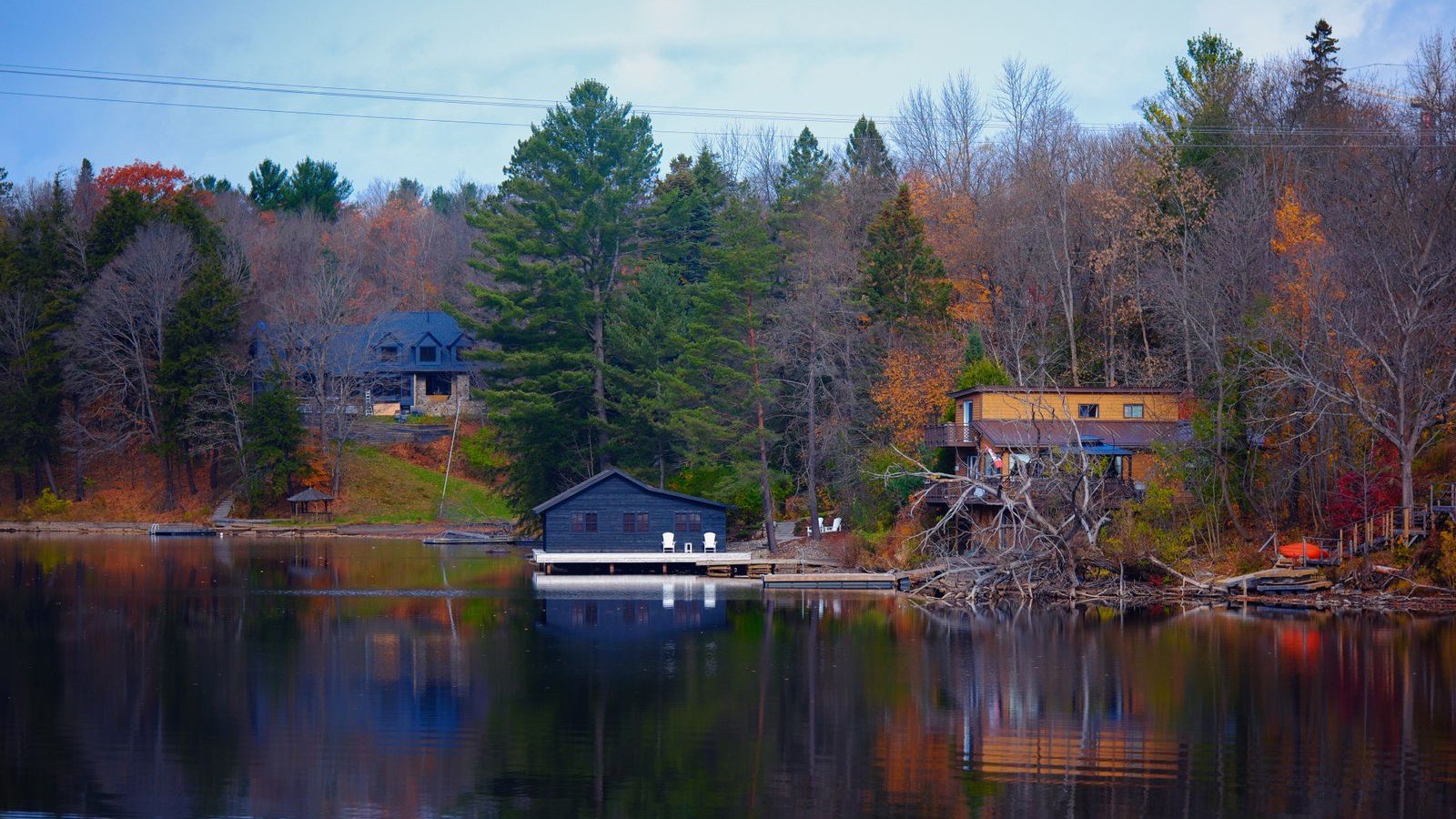
Muskoka's lakes, wetlands and mixed forest give mosquitoes and ticks plenty of room. We treat cottages and year-round homes on one visit schedule, from Huntsville to Gravenhurst.
Same-day reply
The Simcoe Muskoka District Health Unit says blacklegged ticks are present in Simcoe and Muskoka, and that locally acquired ticks have tested positive for the bacteria that causes Lyme disease. Reported Lyme cases in the region have gone up every year since 2022.
The Simcoe Muskoka District Health Unit reports tick-borne illness and West Nile virus for Simcoe County and the District of Muskoka together. These are its latest published figures.
Up from 47 in 2024, 29 in 2023 and 18 in 2022.
Three cases of anaplasmosis, one of babesiosis and one of Powassan virus. All are spread by blacklegged ticks.
Four were likely acquired in Simcoe and Muskoka. The usual is zero or one a year.
By August 11 the virus had turned up in a Barrie mosquito pool, a bird and a horse. No human cases had been confirmed.
Source: Simcoe Muskoka District Health Unit, health professional bulletins of June 18, 2026 and June 2025, and its August 11, 2026 West Nile release. Figures cover the whole Simcoe Muskoka region, not Muskoka alone. For tick bites or symptoms, talk to a health care professional.
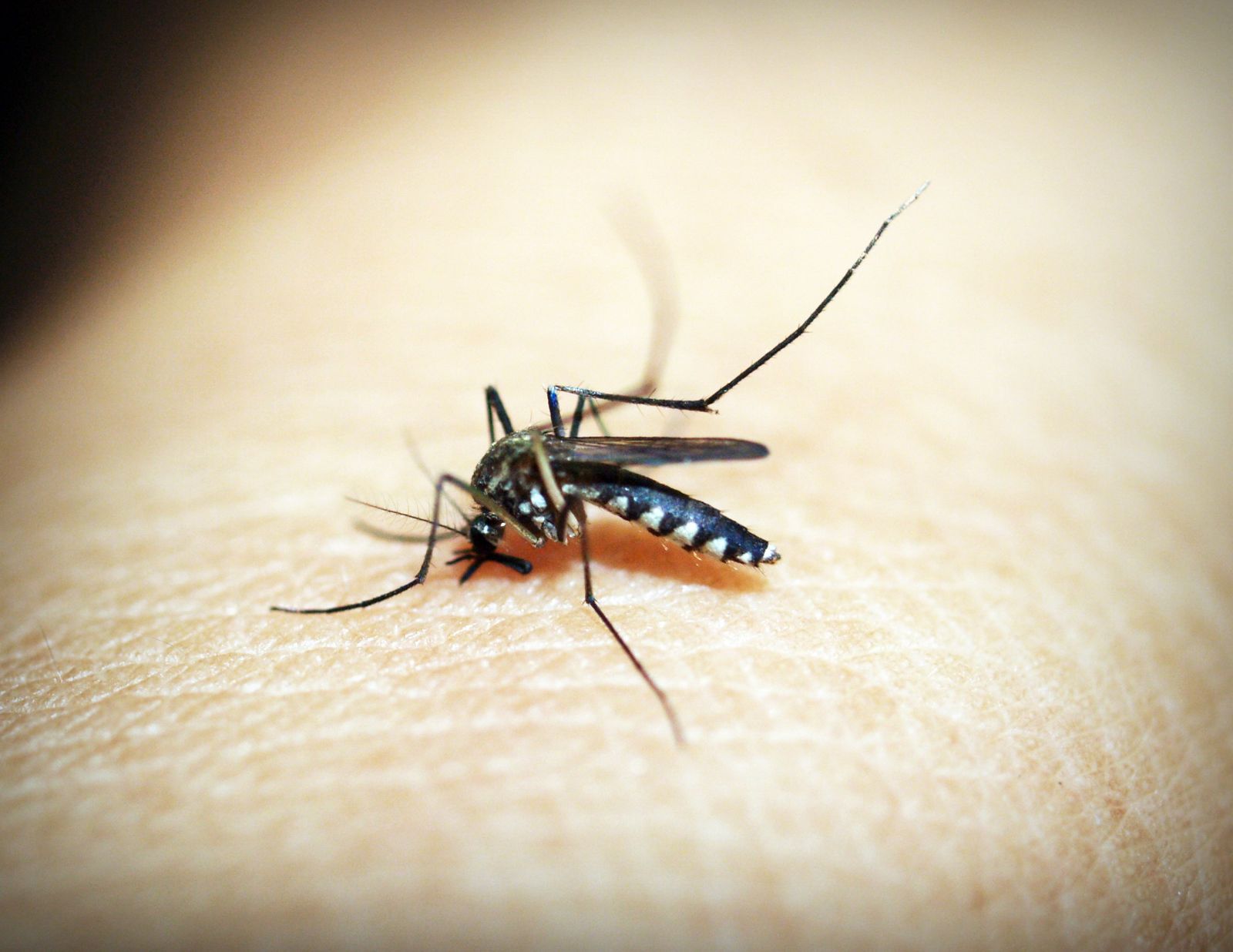
A barrier spray that knocks mosquito numbers down by up to 90%, so dinner on the deck doesn't have to end at dusk.
Learn more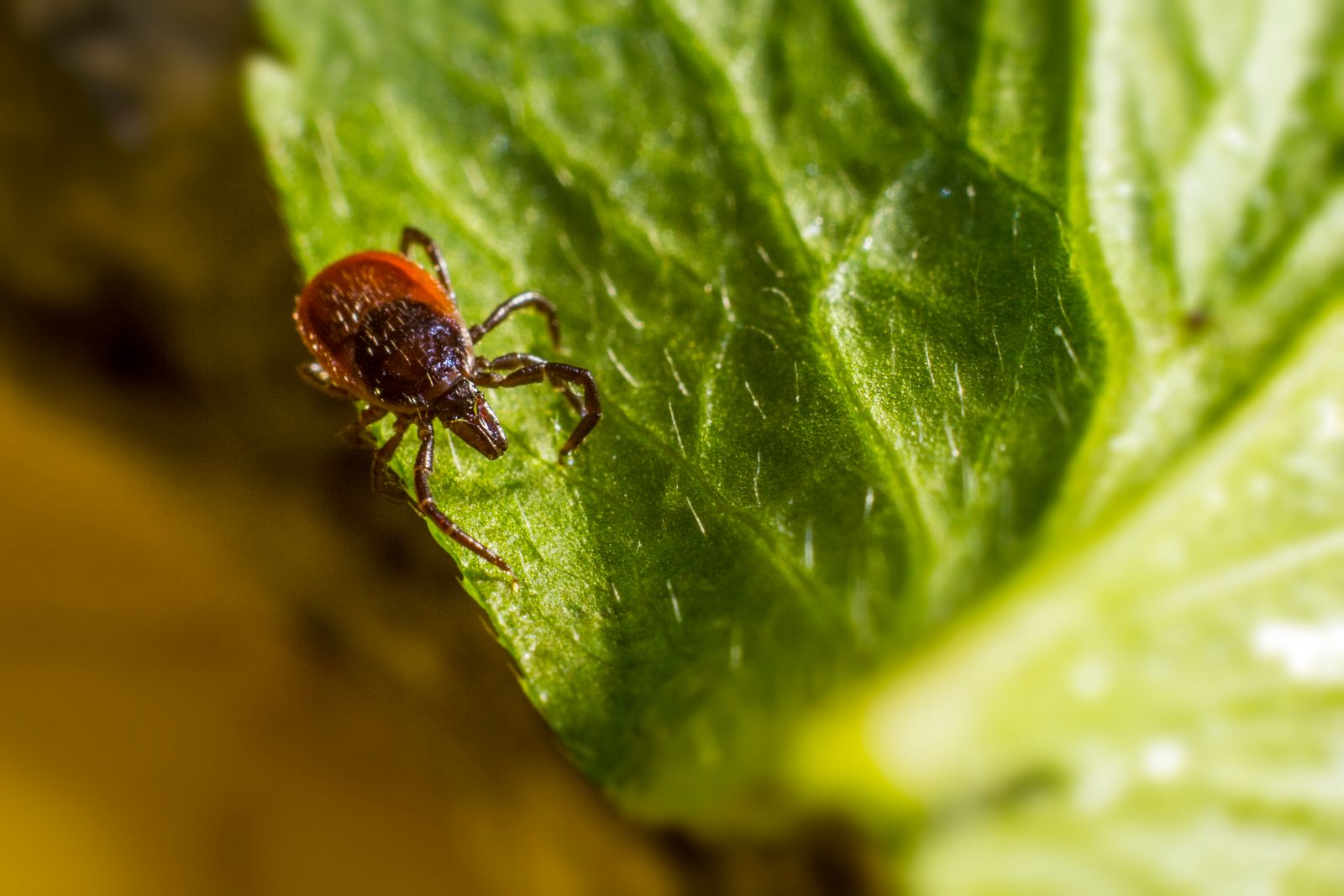
Targeted perimeter treatments for the tall grass, leaf litter and wooded edges where blacklegged ticks wait for your family and pets.
Learn more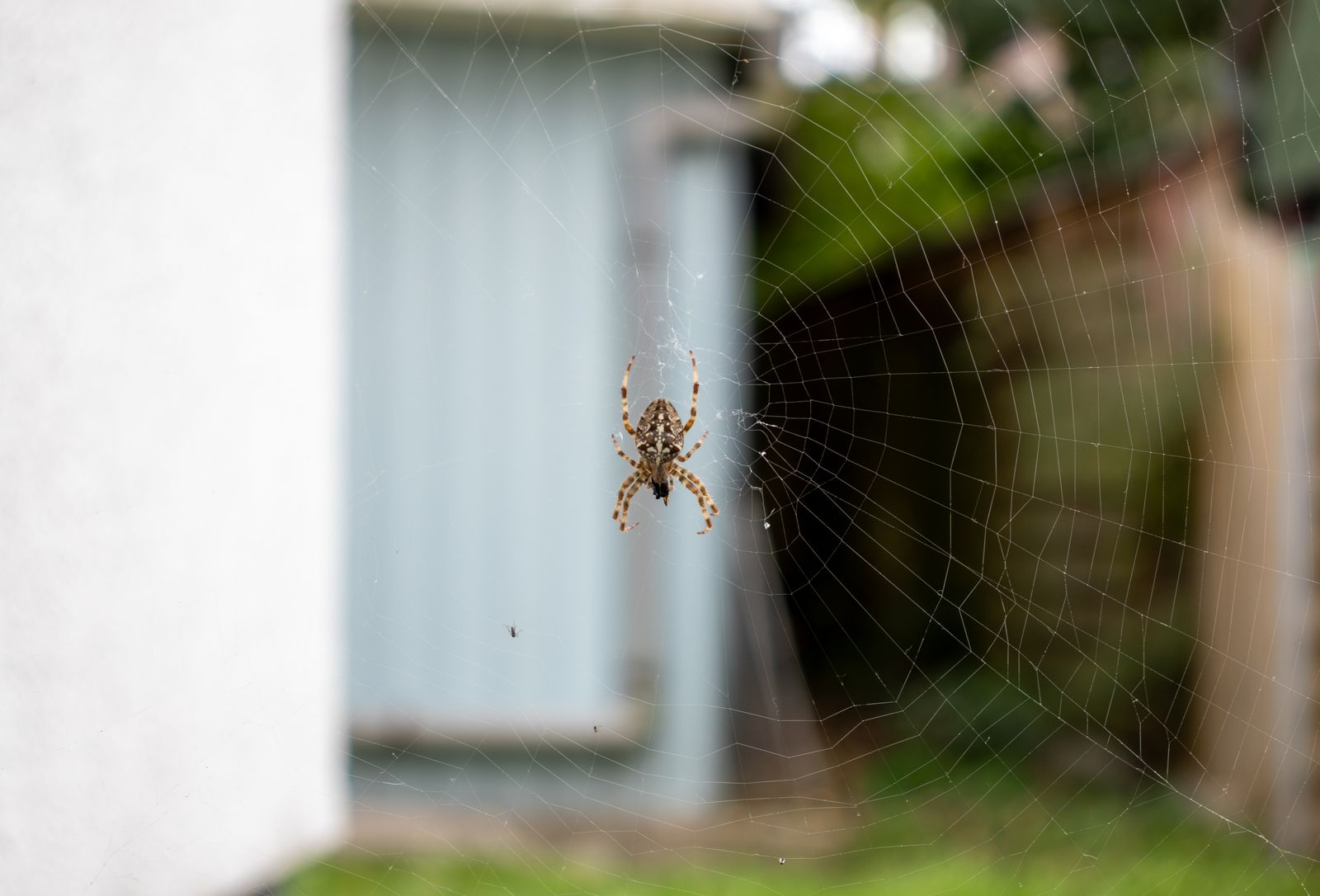
De-webbing plus an exterior barrier around eaves, soffits and foundations that keeps spiders off your home, deck and dock.
Learn more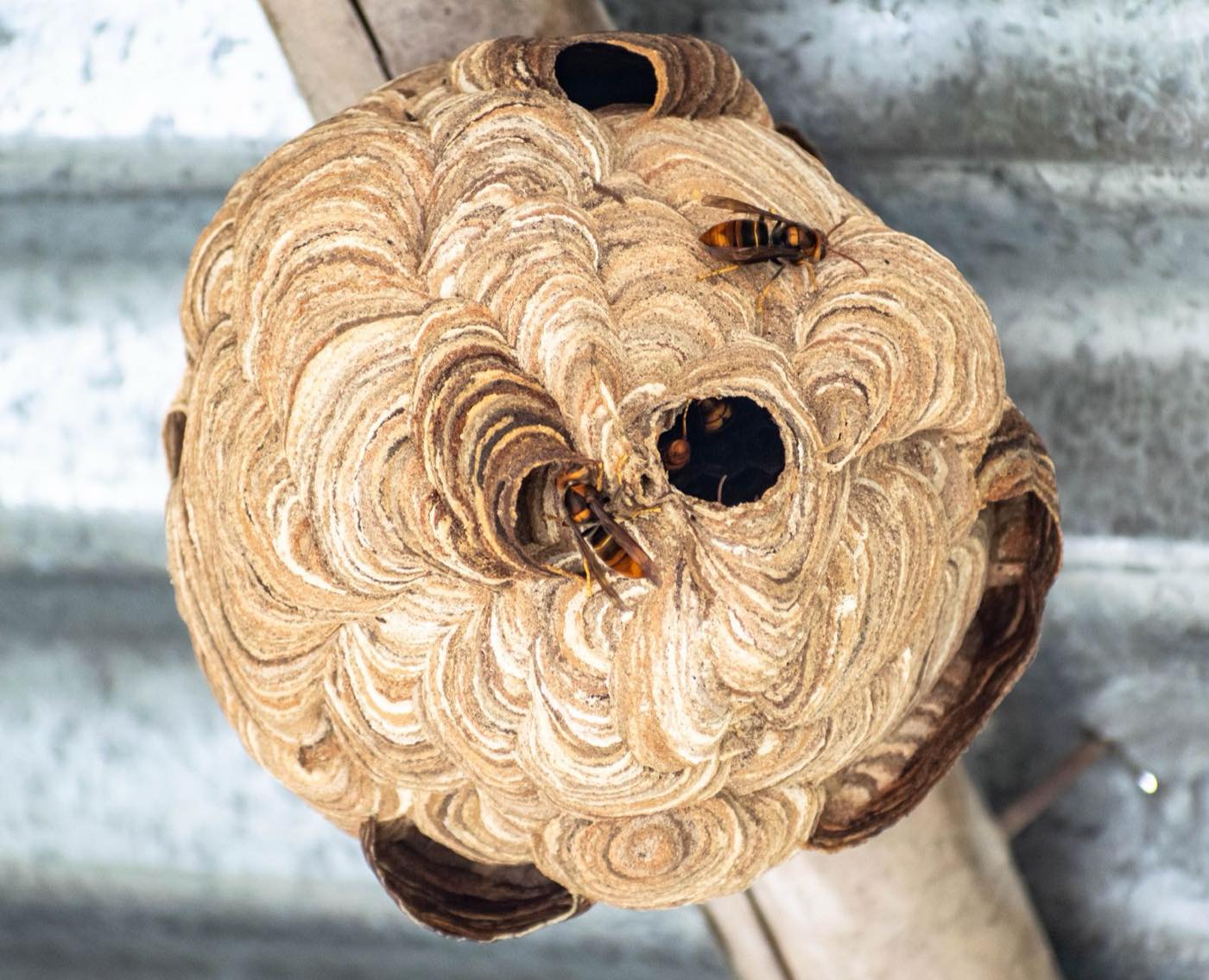
Licensed technicians treat wasp and hornet nests on your home, deck and shed, and leave honeybees alone.
Learn more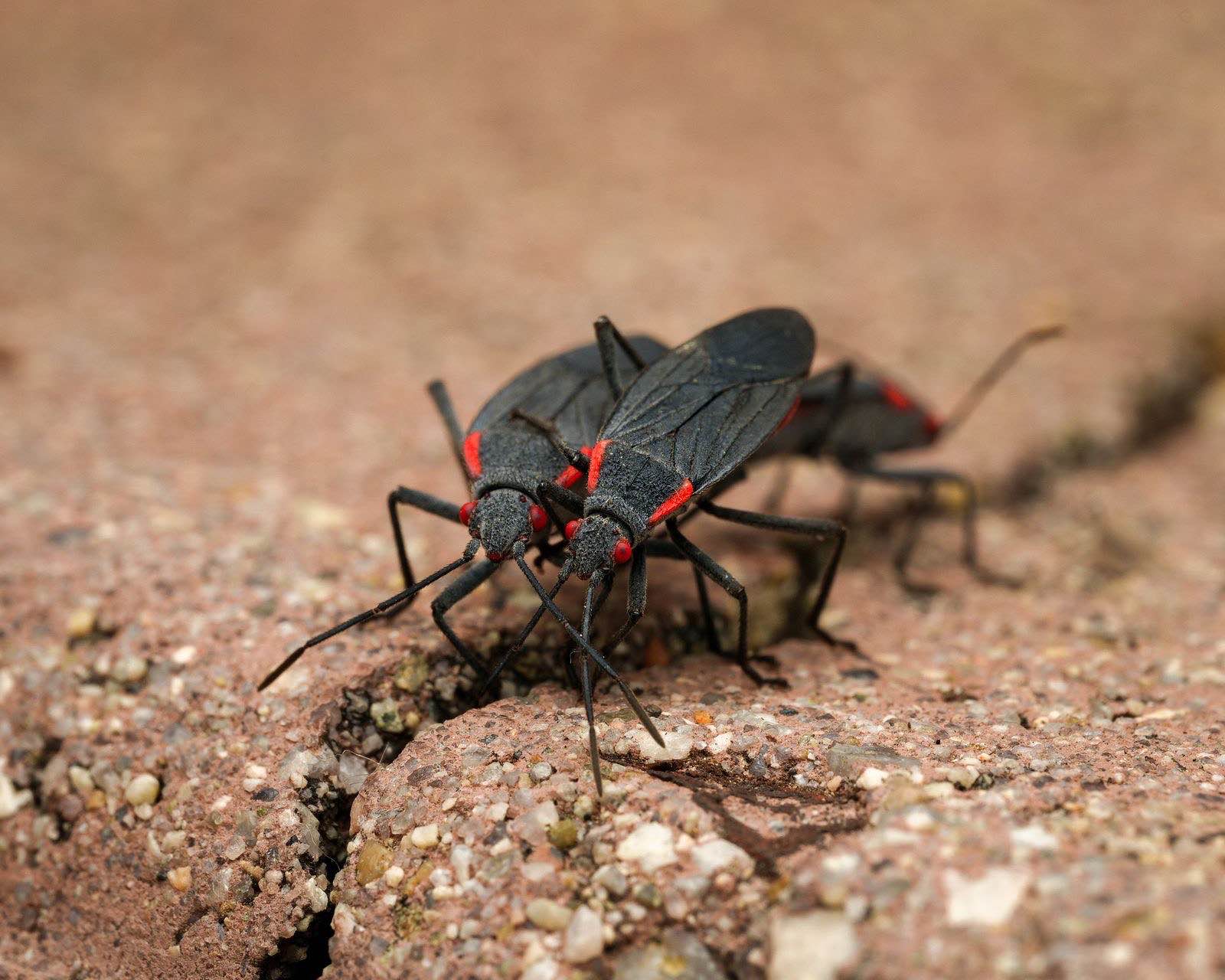
A late-summer barrier on the sunny south and west walls where fall invaders gather before they work their way inside.
Learn more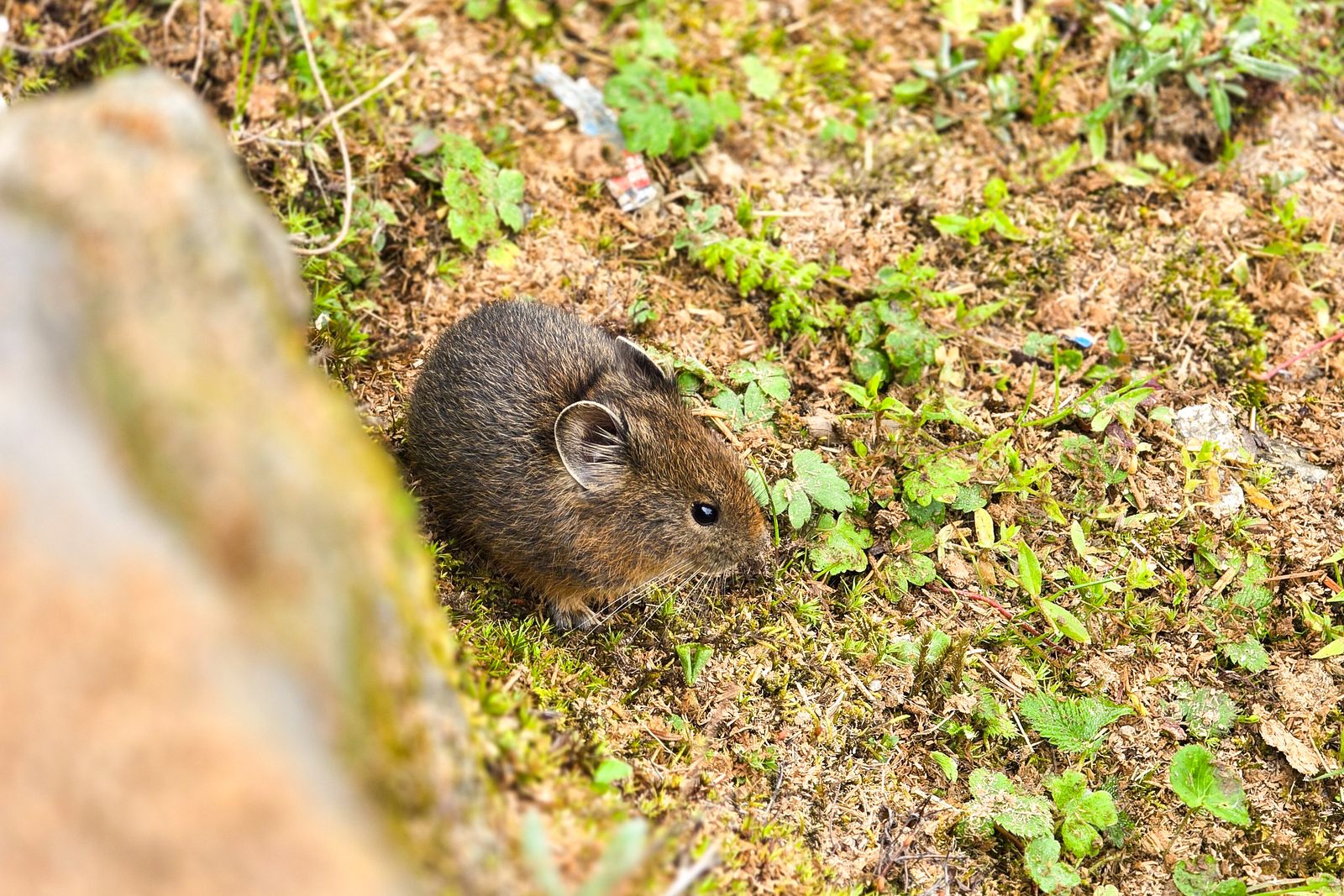
Interior rodent control and monitored exterior stations, with exclusion options quoted separately where appropriate.
Learn moreMuskoka's season runs from early spring through September. Tick treatments start in April and mosquito treatments in May: two treatments two weeks apart, then one about every three weeks until mid-September, which is six to eight visits on average. Waterfront lots and properties beside a wetland sometimes need a shorter cycle, and we'll tell you if yours does.
The health unit says ticks are most active in spring, summer and fall, so the season starts with the tick barrier along your woodline, paths and leaf litter.
Mosquito treatments start in May, two weeks apart, as bays, ponds and ditches warm up and the first hatch arrives.
A mosquito treatment about every three weeks, while warm, humid evenings bring mosquitoes out. We check how the last visit worked and treat any new problem areas.
The last mosquito treatment goes down around mid-September. Ticks stay active into the fall, so keep checking yourself and your pets after time outdoors.
Muskoka is granite, mixed forest and hundreds of lakes, with cottages tucked in among all three. Ticks and mosquitoes do best where the bush meets the yard.
Brushy shorelines, docks and boathouses give mosquitoes shade to rest in during the day. We keep a setback from the shoreline and never apply over water.
Most lots sit in mixed forest. Leaf litter and the brush at the edge of the clearing are where blacklegged ticks wait.
Low wet ground and beaver ponds behind the lake hold water into summer and feed the mosquitoes around nearby homes.
The path to the dock and the trails behind the cottage brush past tall grass and shrubs. We treat their edges.
Year-round homes in town often back onto ravines, river edges or green space. A barrier on the shrubs and shaded corners covers the yard.
Many owners are only up on weekends. We treat mid-week when we can get onto the property and leave a door hanger so you know we've been.
Near the edge of the map? Our routes stretch, so call and we'll confirm your address in 30 seconds.
Yes. The Simcoe Muskoka District Health Unit says blacklegged ticks are present in Simcoe and Muskoka, and locally acquired ticks have tested positive for the bacteria that causes Lyme disease. The region reported 84 Lyme disease cases in 2025. Our program treats tick habitat on your property, but it doesn't replace tick checks or medical advice.
It has been. The health unit confirmed five human cases in 2024, and in August 2026 the virus was found in a Barrie mosquito pool, a bird and a horse. Empty standing water around the yard every week and use repellent at dusk. Our barrier treatment reduces mosquito numbers around your home on top of that.
Yes. If we can get onto the property, we'll treat it mid-week and leave a door hanger so you know we've been. If you're there, we call ahead and knock first so you can bring pets in. Keep children and pets indoors during treatment and off treated areas until the spray has dried, as the label directs.
We keep a setback from the shoreline and never apply over water. Treatment goes on the land-side resting areas: shrubs, shaded brush and the underside of decks.
Once the spray has dried, moderate rain won't undo it. If a downpour hits within two hours of the application, we re-treat at no charge.
Yes. Tell us which plants or areas to avoid and we'll note it on your account. We don't spray flowering plants.
Other service areas: Ottawa · Toronto · Durham Region · York Region · The Kawarthas · Kingston · Niagara Region · Oakville & Burlington · Moncton, NB
Free quotes and a re-spray guarantee on every visit. Most quotes delivered same day.
