All of Halton is an established blacklegged tick risk area, and both cities had West Nile-positive mosquitoes in 2026. We treat ticks and mosquitoes on one visit schedule across Oakville and Burlington.
Same-day reply
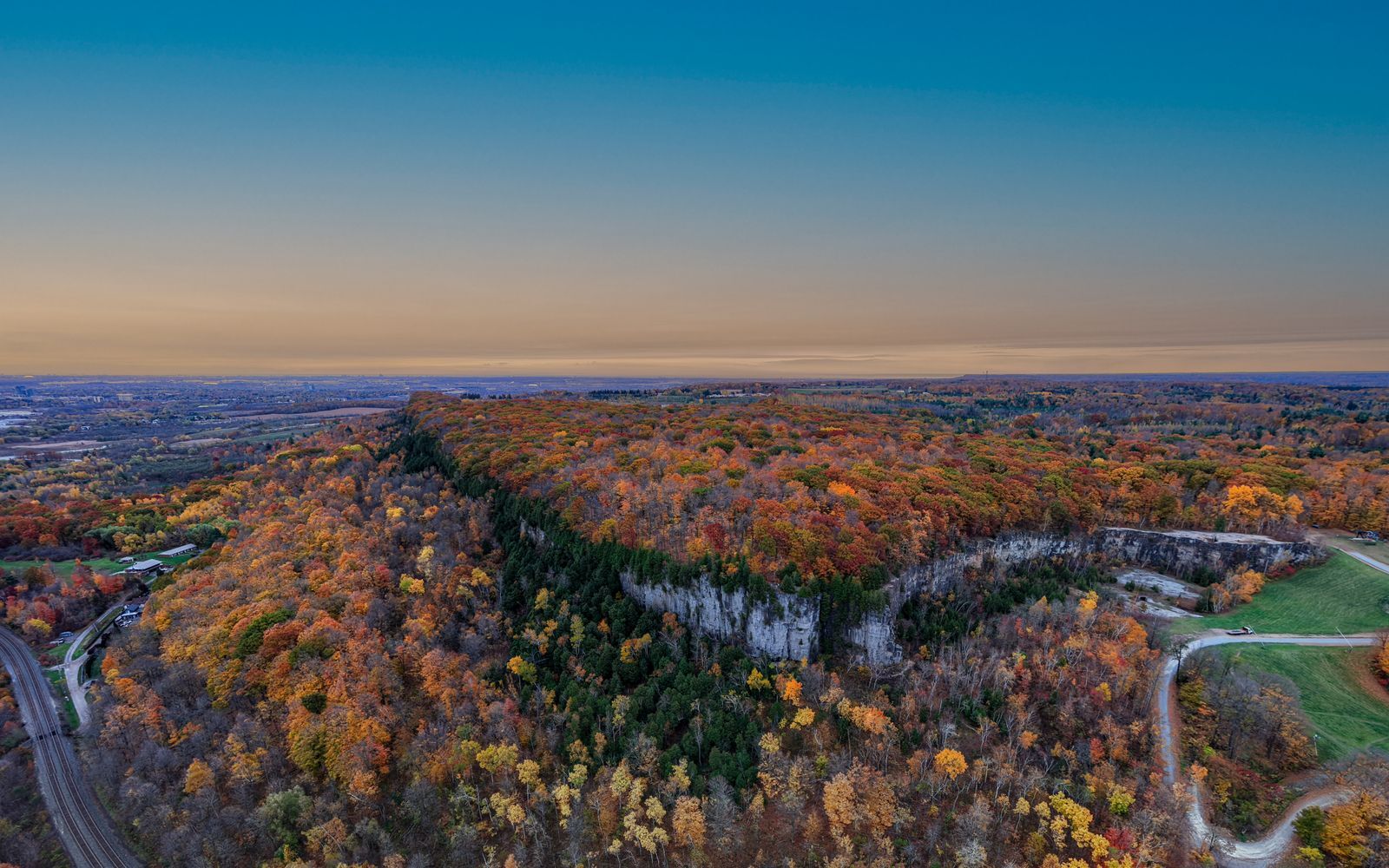
Oakville and Burlington are built around wooded creek valleys that run down to Lake Ontario, with the Niagara Escarpment above north Burlington. Halton Region's tick surveys keep finding Lyme-positive ticks in the parks and forests that back onto local yards.
Halton Region and Public Health Ontario track West Nile virus and tick-borne illness across Halton. The West Nile figures below are for Oakville and Burlington only.
16 in Oakville and 16 in Burlington, up from 18 across the two cities in 2025.
Confirmed and probable cases: four in Burlington and two in Oakville.
41 of 106 ticks from Halton's 2025 surveys. Halton considers the whole region an established blacklegged tick risk area.
8.4 per 100,000 residents. Another 47 had been reported in 2026 by November 15.
Source: Halton Region, West Nile virus (2025 and 2026 figures by city) and Lyme disease (tick surveillance), and Public Health Ontario, Ontario Vector-Borne Disease Tool (2025 annual data, and 2026 data to November 15, 2026). Lyme figures cover all of Halton Region. For tick bites or symptoms, talk to a health care professional.
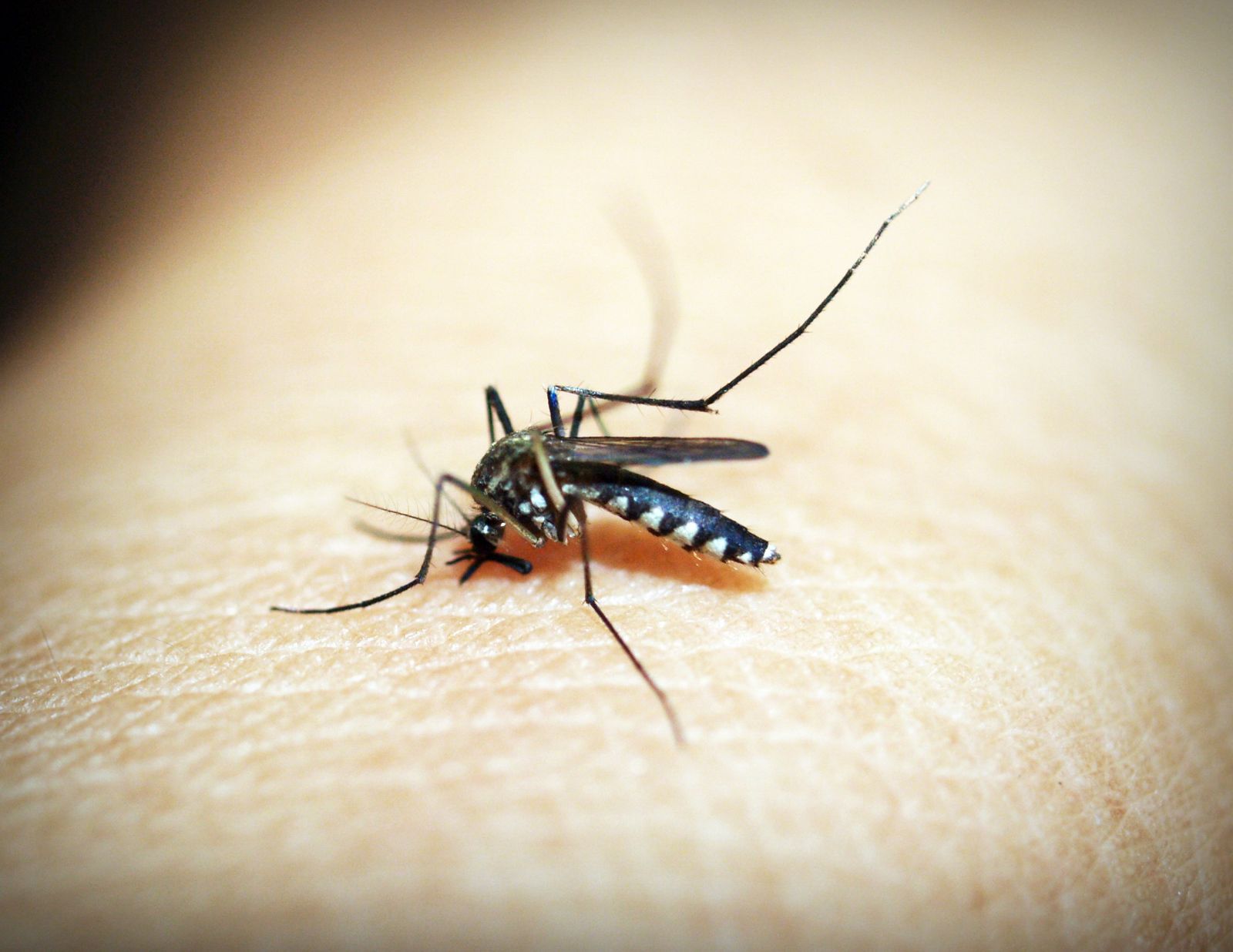
A barrier spray that knocks mosquito numbers down by up to 90%, so dinner on the deck doesn't have to end at dusk.
Learn more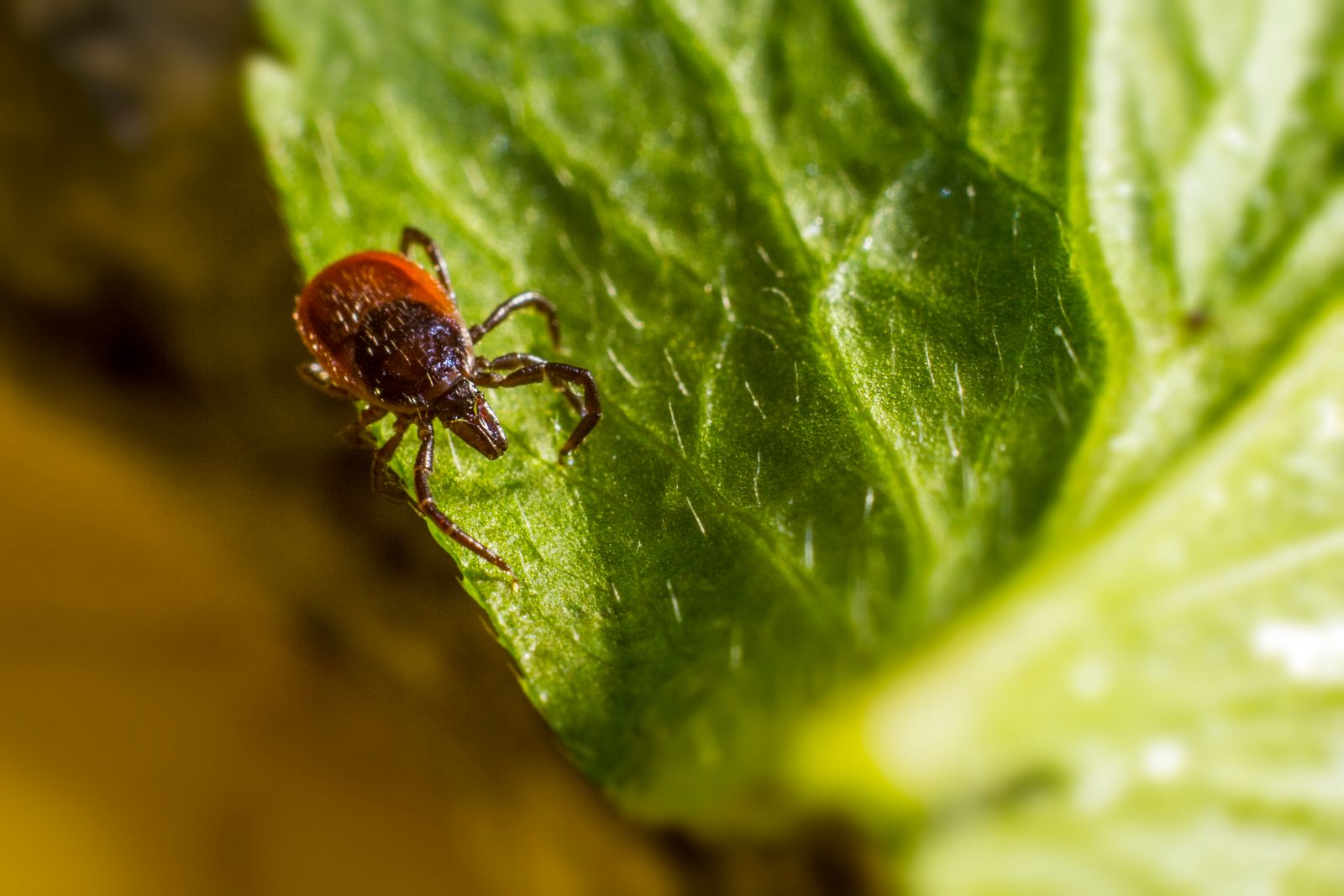
Targeted perimeter treatments for the tall grass, leaf litter and wooded edges where blacklegged ticks wait for your family and pets.
Learn more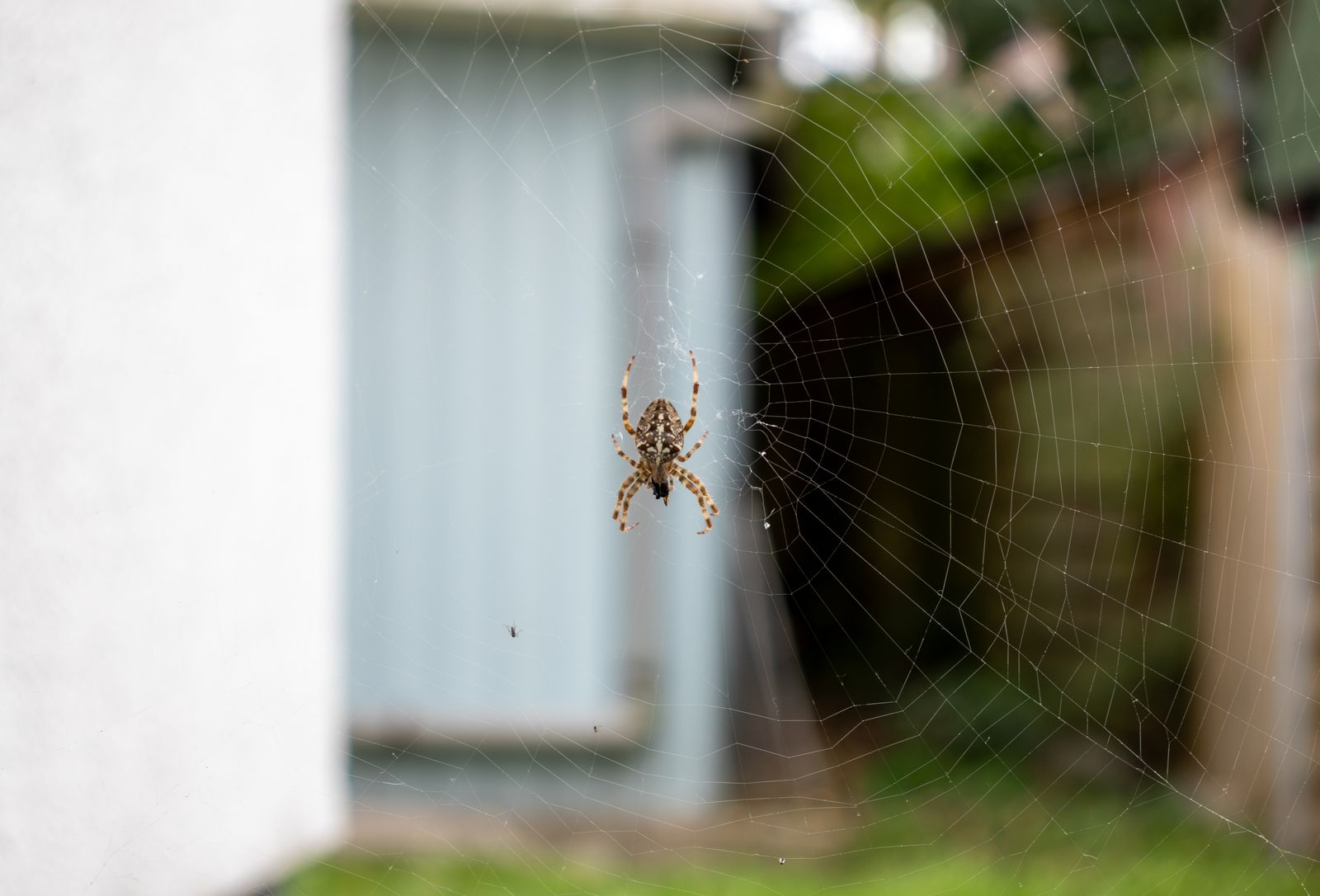
De-webbing plus an exterior barrier around eaves, soffits and foundations that keeps spiders off your home, deck and dock.
Learn more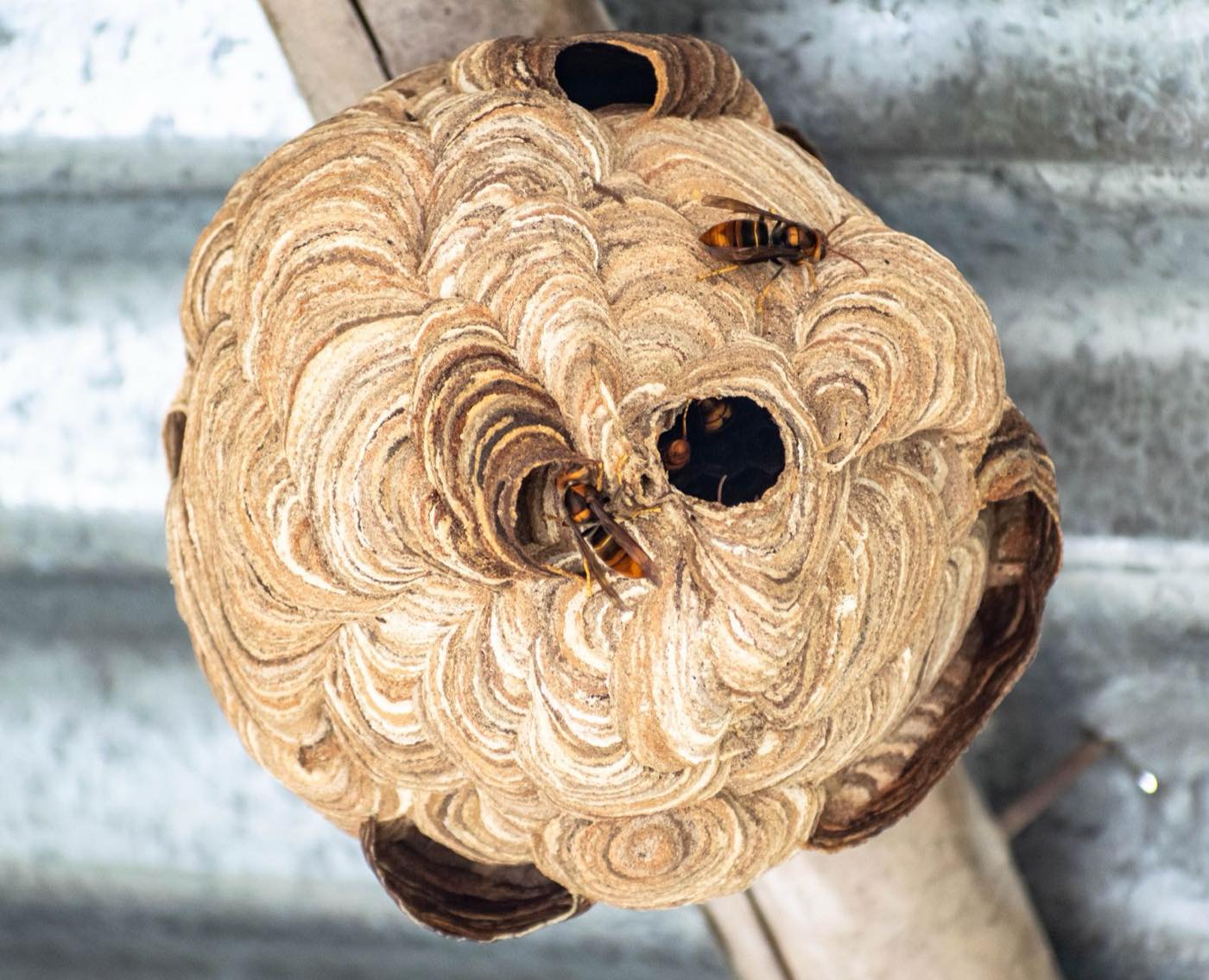
Licensed technicians treat wasp and hornet nests on your home, deck and shed, and leave honeybees alone.
Learn more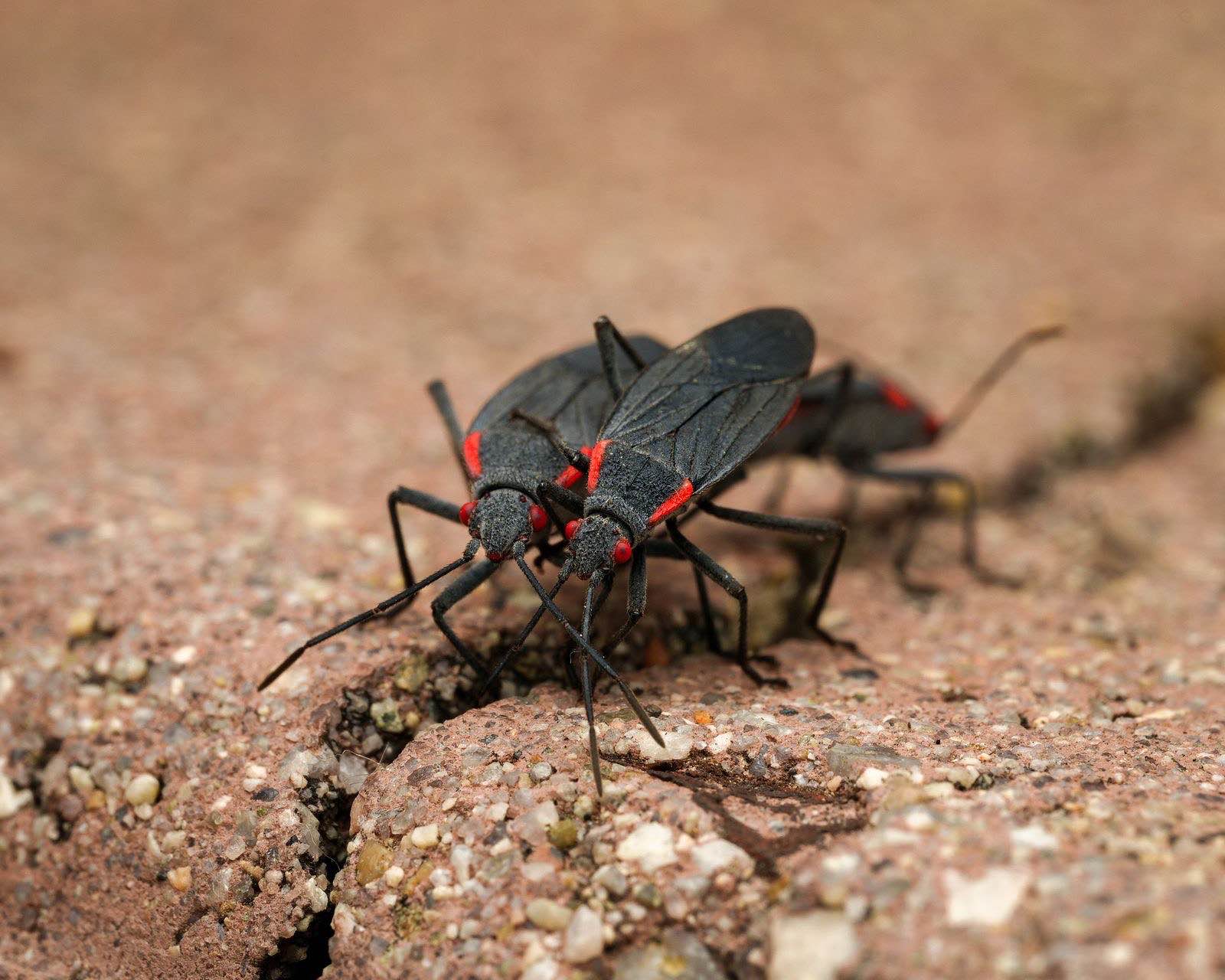
A late-summer barrier on the sunny south and west walls where fall invaders gather before they work their way inside.
Learn more
Interior rodent control and monitored exterior stations, with exclusion options quoted separately where appropriate.
Learn moreThe season in Oakville and Burlington runs from early spring through September. Tick treatments start in April and mosquito treatments in May: two treatments two weeks apart, then one about every three weeks until mid-September, which is six to eight visits on average. Ravine and escarpment lots sometimes need a shorter cycle, and we'll tell you if yours does.
Ticks are out as soon as the snow is gone, so the season starts with the tick barrier along ravine edges, hedges and leaf litter.
Mosquito treatments start in May, two weeks apart, before the creek valleys and catch basins start producing mosquitoes.
A mosquito treatment about every three weeks. In 2026, Halton's first West Nile-positive mosquitoes were collected at the end of June. We check how the last visit worked and treat any new problem areas.
The last mosquito treatment goes down around mid-September. Ticks stay active into the fall, so keep checking yourself and your pets after time outdoors.
Halton Region drags for ticks in local parks and forests every spring and fall. These are some of the places where it keeps finding them.
Halton's 2026 survey at Bronte Creek found 16 blacklegged ticks, 10 of them carrying Lyme bacteria. The creek valley runs between Oakville and Burlington.
The conservation area on the escarpment in north Burlington turned up 14 ticks in 2026, 6 of them positive. Kilbride and Lowville lots sit in the same terrain.
Halton's 2025 survey in this Oakville forest found 23 ticks, 13 of them positive.
The RBG's natural lands in Burlington yielded 40 ticks in Halton's fall 2024 survey, 10 of them positive. Aldershot and Tyandaga back onto similar woodland.
The wooded valley cuts through Oakville from Glen Abbey and River Oaks down to the harbour, which puts ravine edge behind a lot of backyards.
City View Park and Hidden Valley Park in Burlington are both on Halton's tick survey list. Ticks turn up in city parks here as well as the countryside.
Near the edge of the map? Our routes stretch, so call and we'll confirm your address in 30 seconds.
Yes. Halton Region says all of Halton is an established blacklegged tick risk area, and in its 2025 surveys 41 of 106 ticks tested carried the bacteria that cause Lyme disease. Our program treats tick habitat on your property, but it doesn't replace tick checks or medical advice.
Yes. Halton found West Nile virus in 16 mosquito pools in Oakville and 16 in Burlington in 2026, and both cities had human cases. Empty standing water around the yard every week and use repellent at dusk. Our barrier treatment reduces mosquito numbers around your home on top of that.
The transition zones where mowed lawn meets unmanaged ground: the woodline, leaf litter, tall grass and brush, and the areas around stone walls and woodpiles. We spray a band roughly 3–5 metres wide into those edges. It's a targeted barrier, not a full lawn spray.
No. If we can get into the yard, we'll treat it and leave a door hanger. We call ahead and always knock first so you can bring pets in. Keep children and pets indoors during treatment and off treated areas until the spray has dried, as the label directs.
Once the spray has dried, moderate rain won't undo it. If a downpour hits within two hours of the application, we re-treat at no charge.
Yes. Tell us which plants or areas to avoid and we'll note it on your account. We don't spray flowering plants.
Other service areas: Ottawa · Toronto · Durham Region · York Region · The Kawarthas · Kingston · Niagara Region · Muskoka & Huntsville · Moncton, NB
Free quotes and a re-spray guarantee on every visit. Most quotes delivered same day.
